How We Grow
Just So You Know,
How We Grow
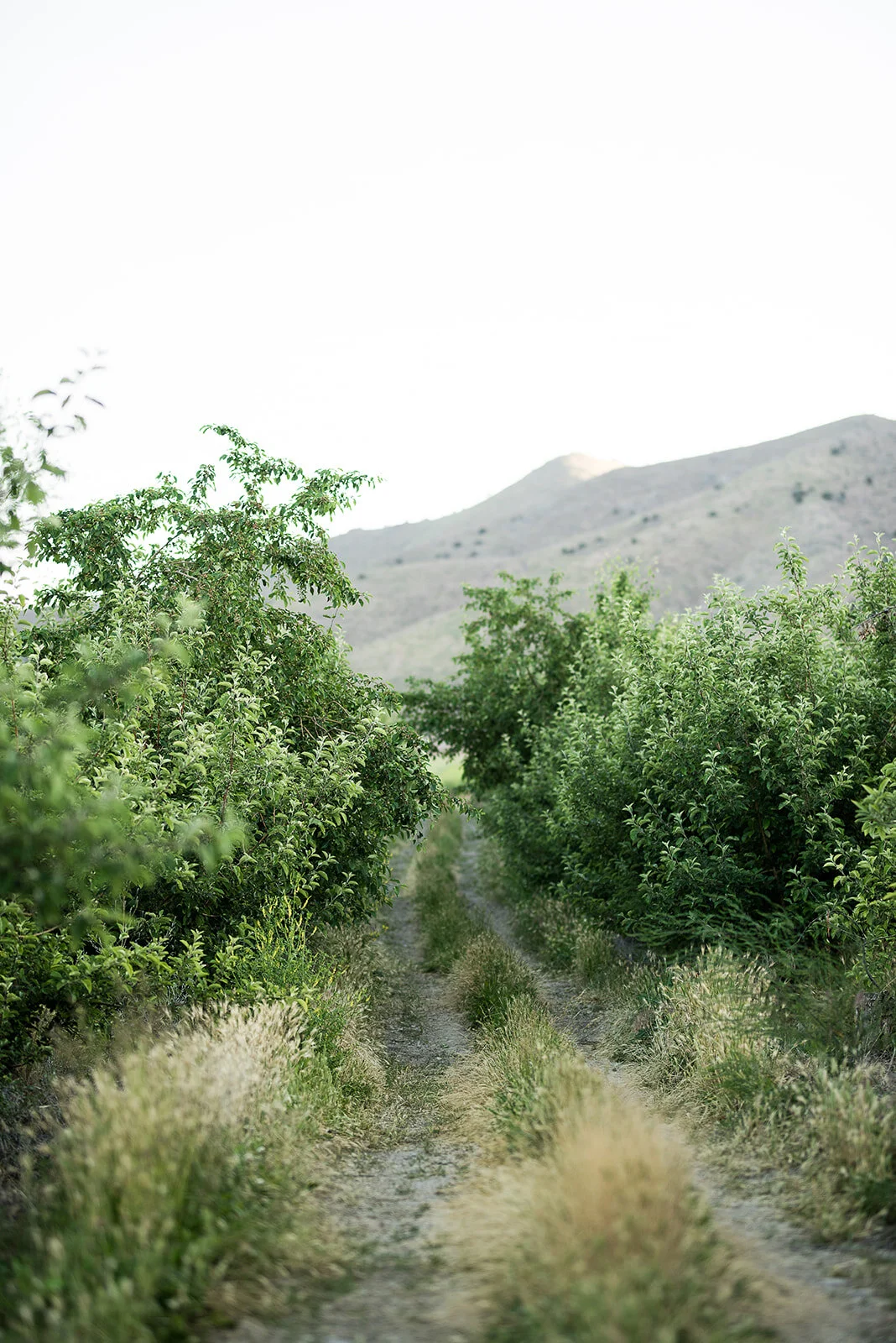
Our fruits and veggies come to you just as nature intended; grown with clean, mountain water, fresh air, natural sunshine, and laboriously attentive care. We go to great measures to harvest your produce when it is at the perfect stage, ensuring the best quality, nutrition, and flavor is present in every bite you take. We think the end result is well worth going the extra mile for!
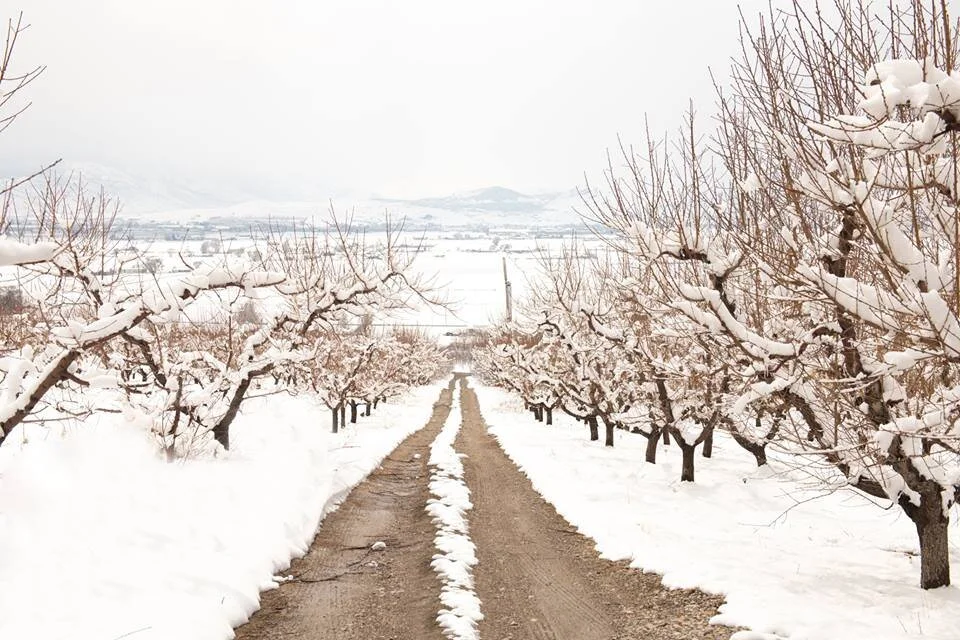
All through the winter months, the farm is bustling with work: thousands of trees are mindfully pruned, one by one, to let in sunlight for optimal growth and quality. Tractors and other farm equipment are serviced, fixed, or overhauled. Spraying equipment is carefully calibrated for precise application of nutritional supplements and plant protection products. Detailed plans and preparations are made for the intense growing season ahead!
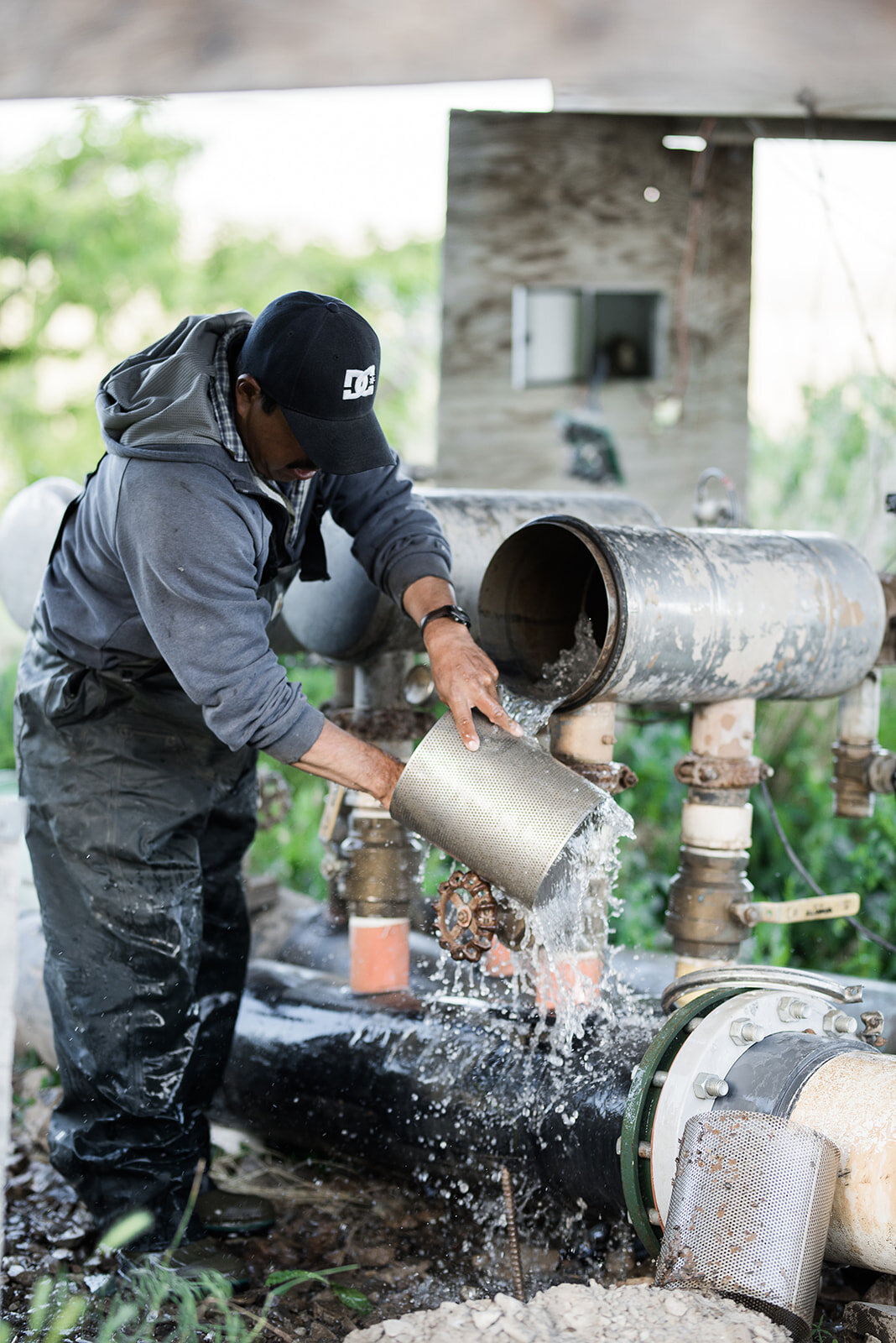
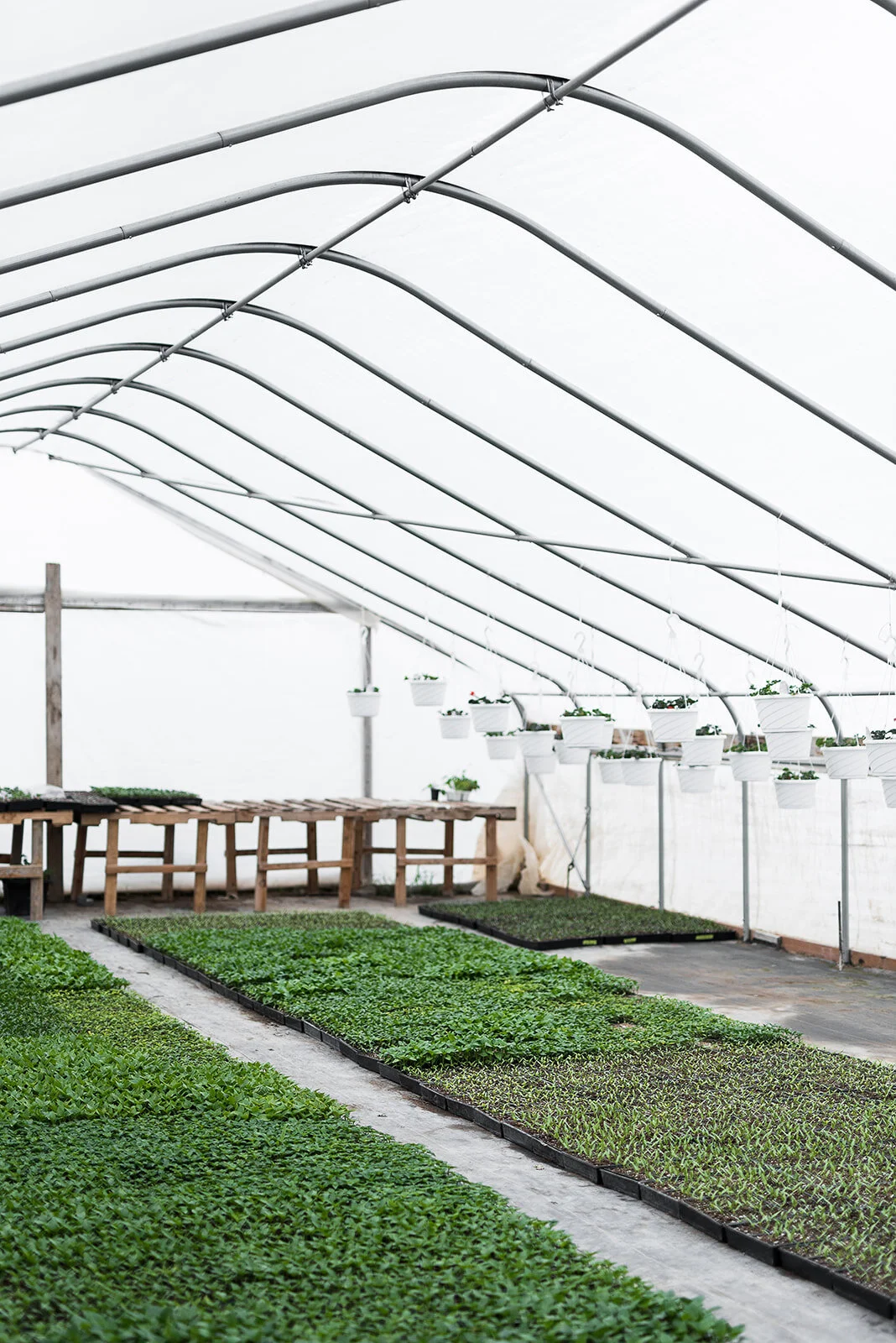
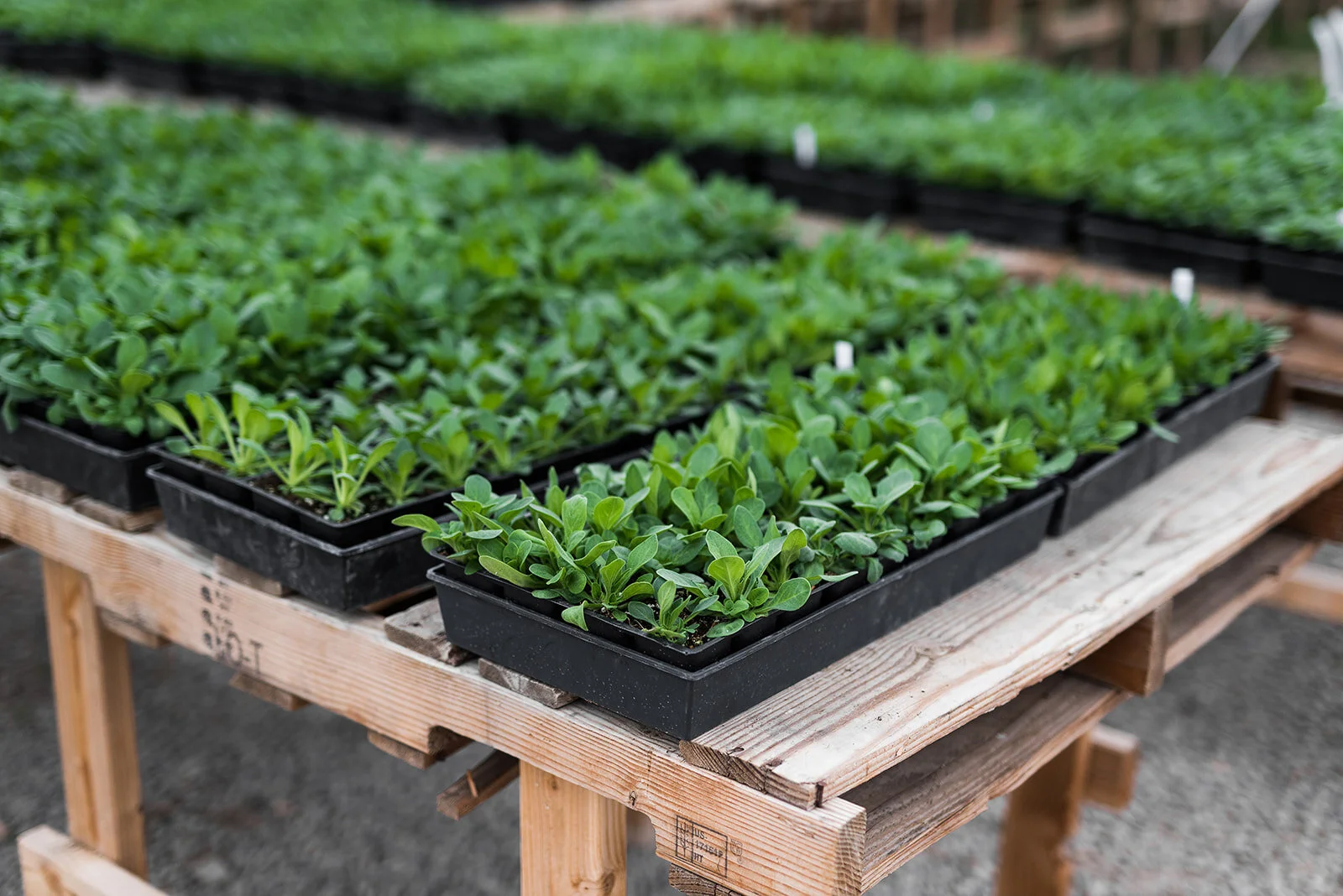
Long before the earth begins to warm in the spring, miles of irrigation systems are checked, fixed, and opened up. Tiny vegetable and flower seeds are planted in the greenhouses, which will grow into starts for planting in our U-Pick garden as well as to be sold locally. On those particularly cold nights, once tree buds have begun to swell, we "sleep" with one eye on the thermometer until the danger becomes too great; then the rest of the night is spent checking temperatures in each orchard and finally taking added measures to try to curb the frost that will devastate delicate buds and blossoms.
Every year, we worry and work hard through the nights to preserve as many fruit tree blossoms as possible…And yet just days later, an endless number of blossoms, and later the tiny fuzzy fruits, are painstakingly thinned (picked off) by hand to allow optimal health and size for the remaining fruits on the tree. It becomes an almost maddening guessing and calculating game of how much fruit will end up growing to maturity, if any at all! And when it is all said and done, we are fully aware that we have but little control over the many variables which will ultimately decide whether we will have a crop at all.
Mother Nature eventually sends enough sunshine and rain to produce a beautiful spring, and every row in every orchard is buzzing with thousands of bees and a good crew of people! The previously pruned limbs are now windrowed (piled), and then chopped to add more organic matter to the soil. Sticky traps and pheromone cards are hung in trees to both monitor and disorient the most devastating insects: Codling Moth in apples, Peach Twig Borer in peaches, and Western Fruit Fly in cherries. This advanced biological control method, in addition to others employed for the purpose of reducing the need for sprays, is specific to each pest, and encourages the male insects to keep moving in search of the female’s scent. We prefer to not spray our crops with chemicals and we do everything else in our power before resorting to this method which is sometimes ultimately required to save a crop.
We have also transitioned our U-Pick orchards to a regenerative model. We are not certified organic, which still allows certain pesticides widely used in conventional farming.
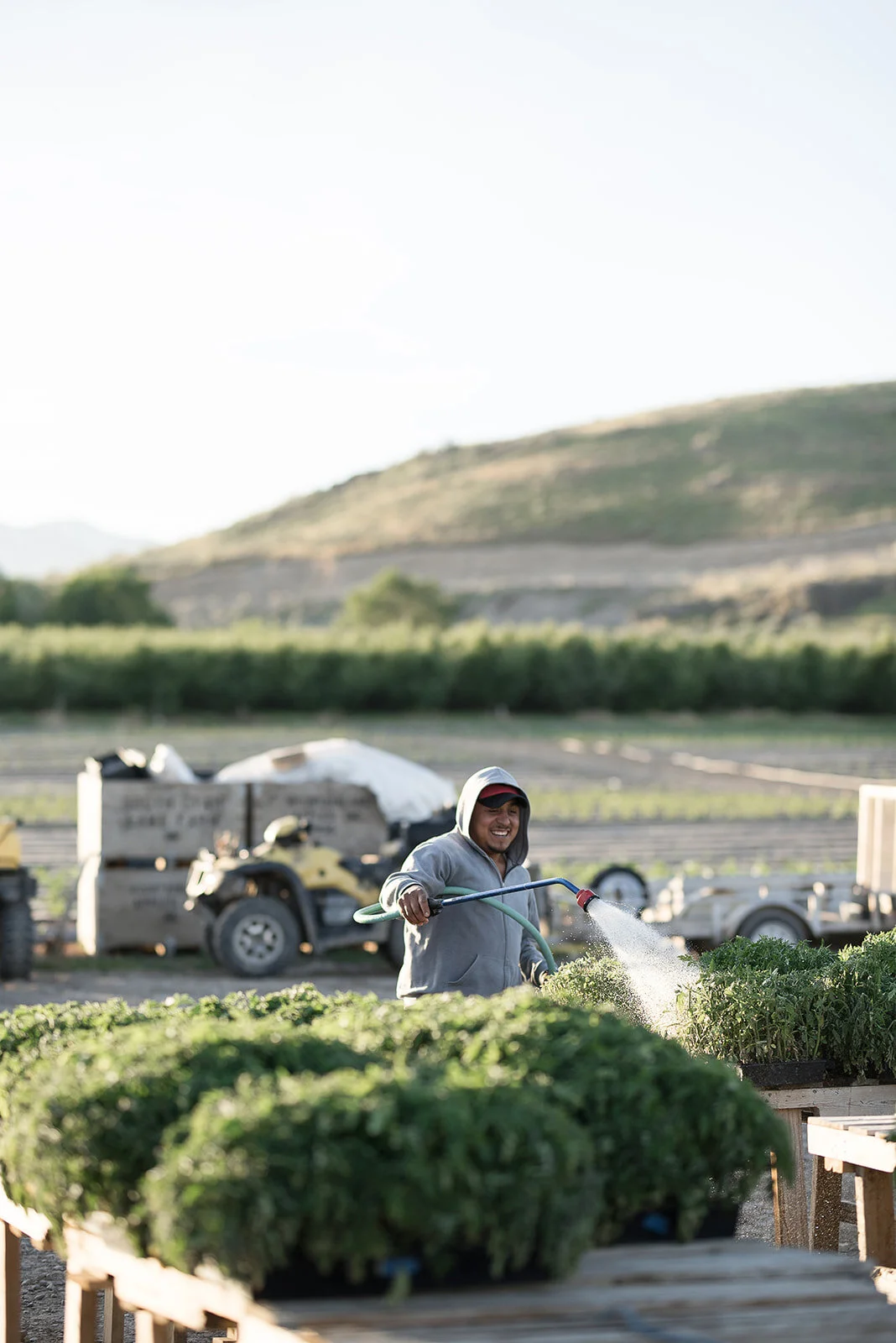
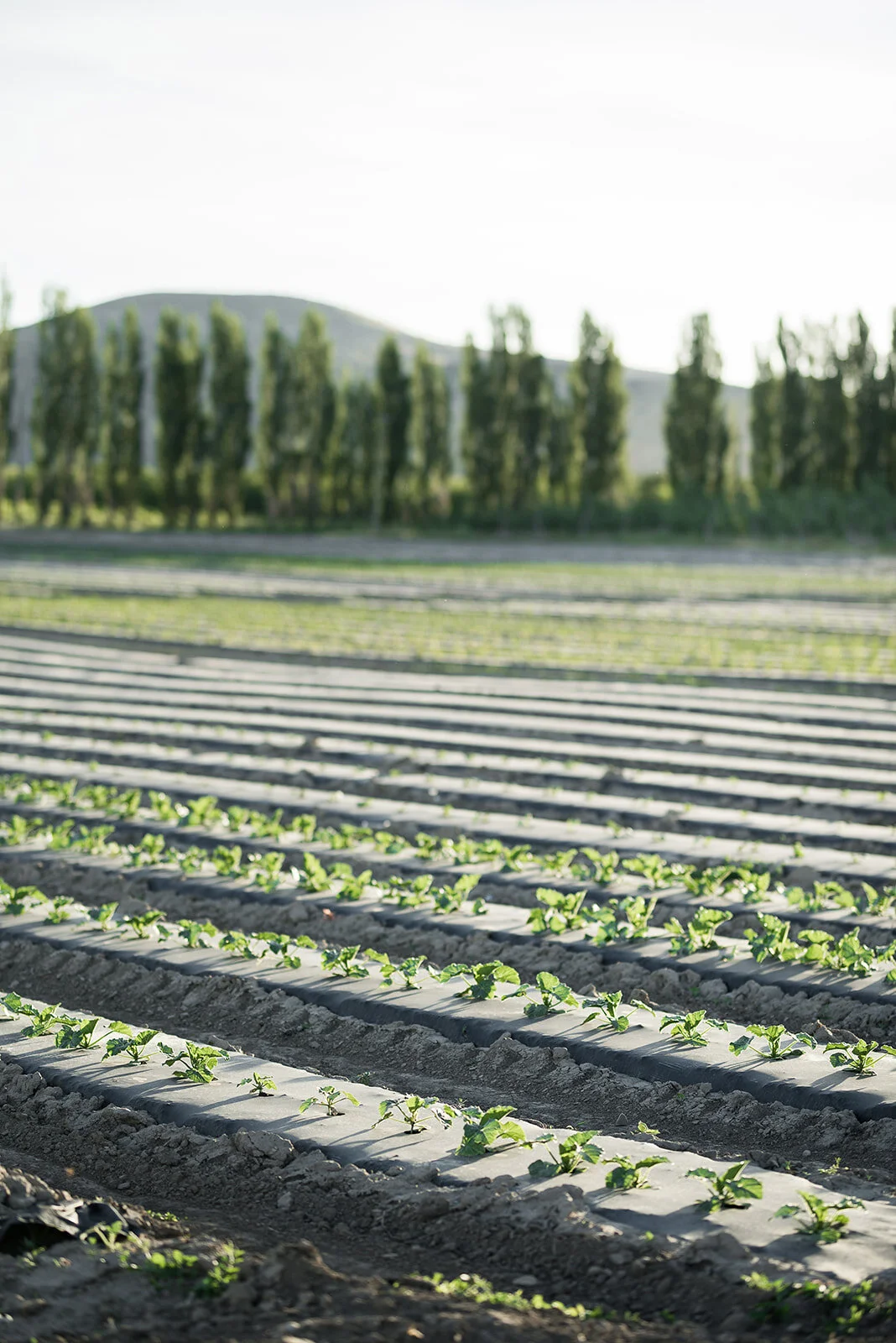
The vegetable garden is especially busy during spring with preparations to plant when the time is just right. Acres of dark soil is formed into raised bed rows, with mulch and irrigation drip tape laid over the top. These will help to heat the soil with the early spring sun and will also conserve water when irrigation begins. As the threat of frost diminishes, the vegetable starts are taken from the greenhouses and planted into the garden, diligently ensuring that adequate moisture reaches each one. Again during the summer, and some years on multiple occasions, care is taken to see that the crops are thinned properly. This will enable the fruit to grow to their best size, shape, and color with less competition, and to ensure that appropriate irrigation quantities are used. When the harvests of late summer and fall finally approach, it is critical to continually monitor the maturity of each variety of fruit and vegetable as it grows. This is especially true of tree fruit. There is a very small window of opportunity for harvesting at optimal quality, and a very fine line between not ripe enough and then suddenly overripe! Sometimes just part of a day can make a big difference.
For commercial farmers, it is much easier and more profitable to harvest fruit before it has been allowed to reach its full potential. However, we at Rileys’ Orchard, think produce tastes best—and studies show a drastically increased nutritional level as well—when it is ripened on the tree or plant, rather than being artificially ripened during storage by adding ethylene gas to the prematurely harvested fruit.
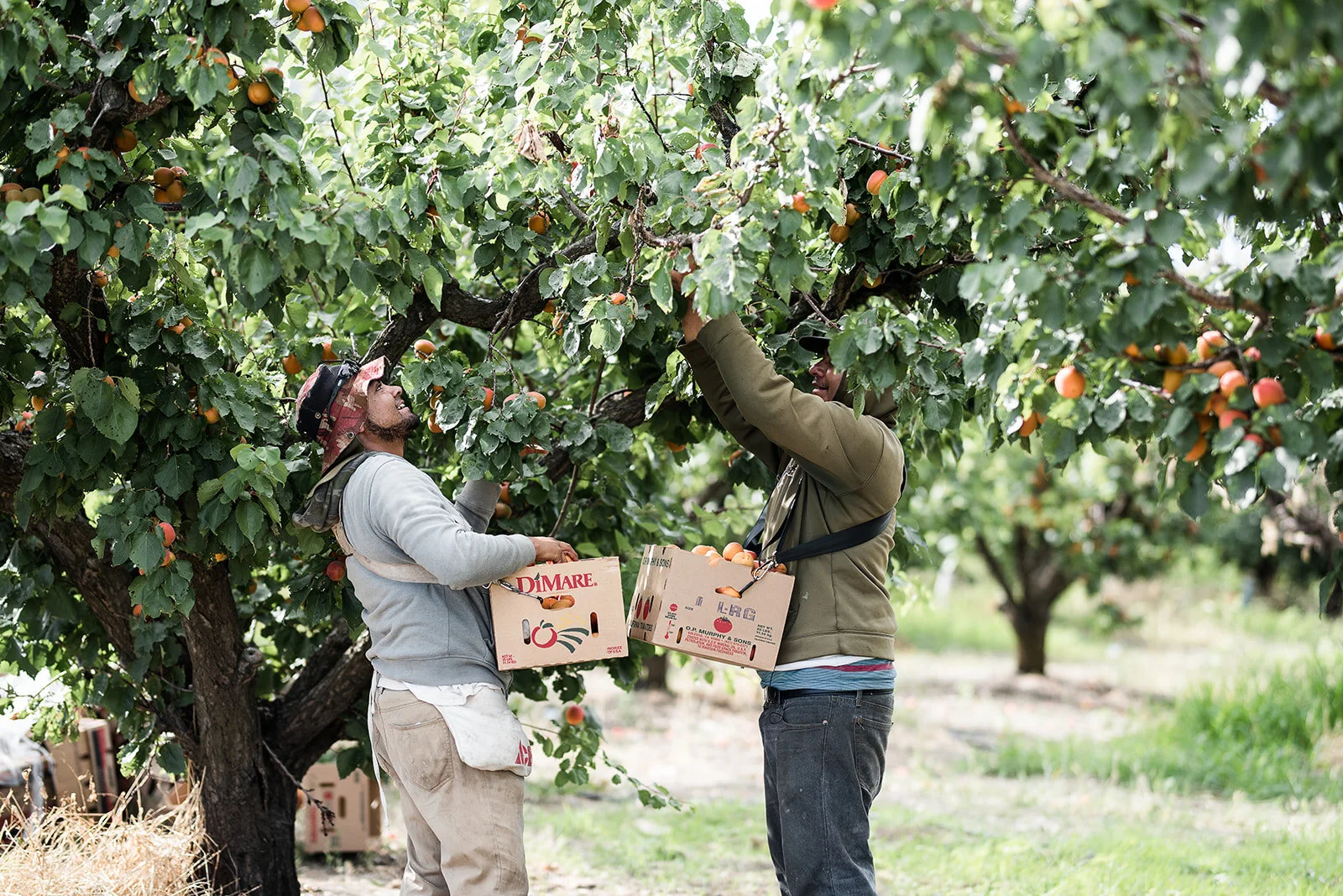
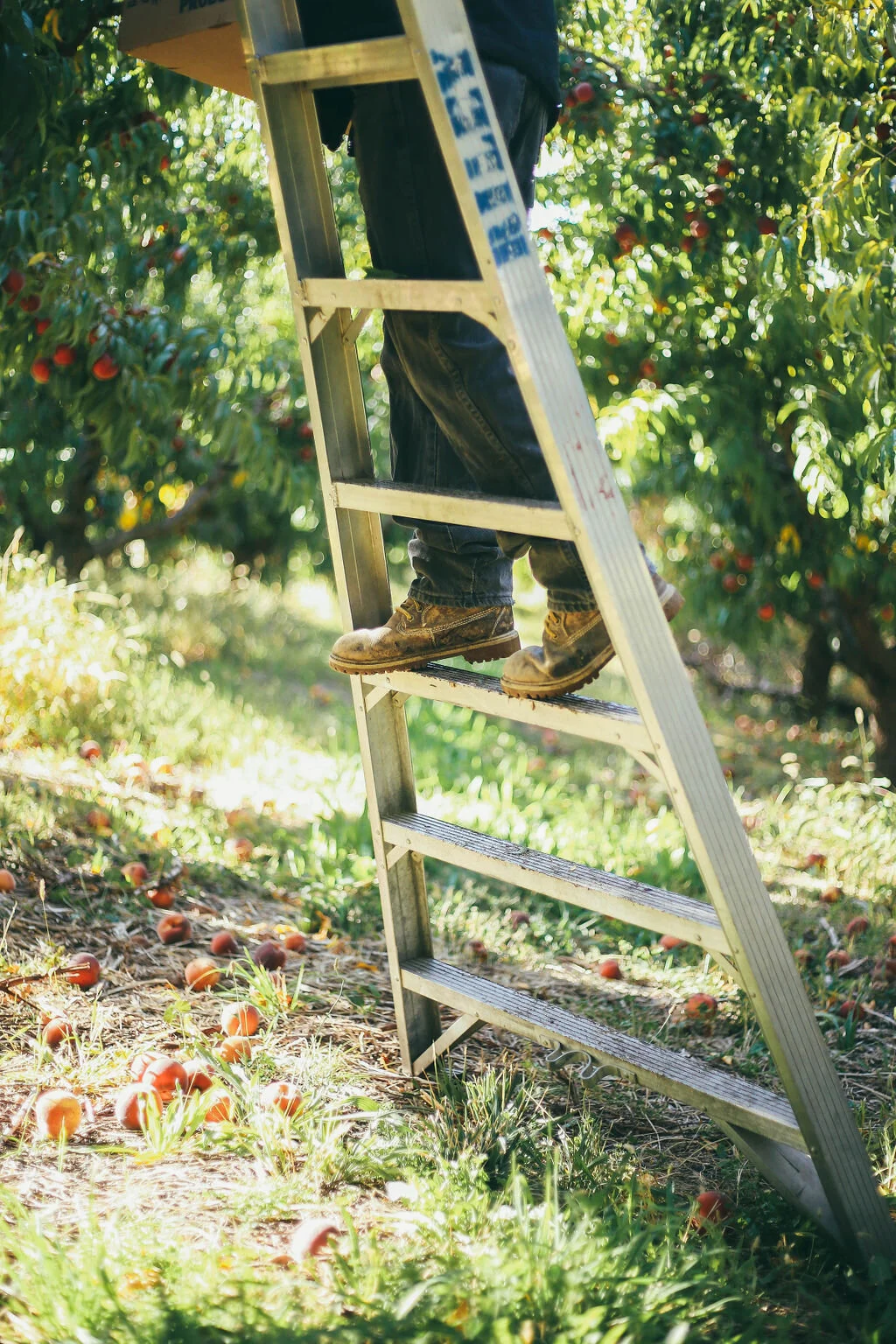
Fall brings the long-anticipated harvest, with much excitement from our friends and neighbors to once again enjoy the colorful bounties of the earth. Our fruit stands and U-Pick gardens are opened to the public and the long-awaited harvest finally begins! By harvesting the crops at their peak maturity, you will receive the fullest flavor that “Mother Nature” has to offer.
For the delicious harvest, for our wonderful customers, and for the privilege of being stewards of the land, we are truly thankful!